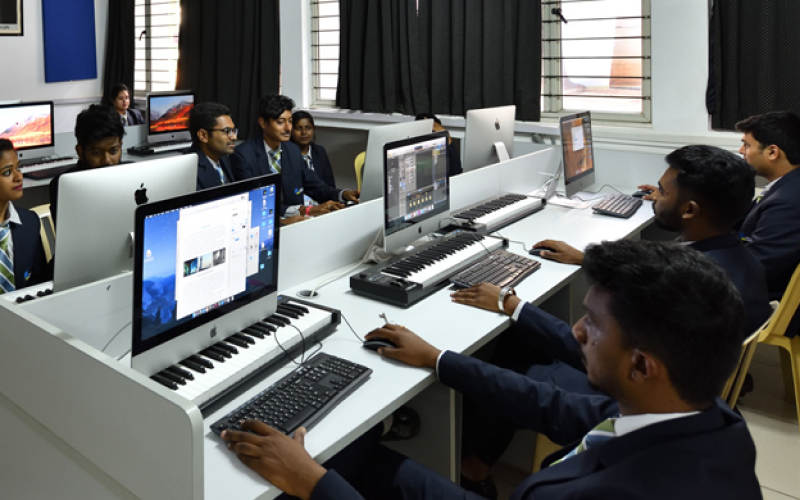

If you’ve ever watched a film scene and wondered how explosions, magical worlds or impossible camera moves were created, you’ve already felt the impact of VFX. Visual effects is one of the most exciting and fast-evolving creative fields in India today. From big-budget films and OTT web-series to gaming, advertising and virtual production, the need for trained VFX artists is expanding nonstop.
Yet, VFX isn’t something you can master through quick courses or random online tutorials. You need structured training, modern tools, strong fundamentals and exposure to how real studios work. That’s why choosing the right college is one of the most important decisions you’ll make.
In this blog, we’ll explore the top VFX colleges in India, what you should expect from a strong program and how to pick the college that fits your creative goals.
Importance of VFX Education in India
The Indian media and entertainment industry is investing heavily in VFX. Movies, OTT platforms and international studios are outsourcing large chunks of work to India. According to industry reports, India’s VFX and animation market is projected to reach nearly $14.69 billion by 2030, powered by film, gaming, ad agencies and global production houses.
This growth has created a massive need for artists trained in:
- Compositing
- Rotoscoping
- Matchmoving
- CGI integration
- Lighting and rendering
- Simulation (FX)
The industry doesn’t just want software operators. It needs artists who understand production pipelines, teamwork, visual storytelling and creative problem-solving. That’s where the right college gives you a head start.
What the Best VFX Colleges Teach, Beyond Just Software
VFX is much more than learning Nuke or Mocha. The top colleges focus on building your artistic eye, technical confidence and production discipline. Here’s what that looks like:
1. Strong Artistic Foundation
Good VFX depends on how well you understand visual principles. Colleges that take fundamentals seriously help you build a base that influences every shot you create.
- Color theory: Helps you match tones, balance scenes and integrate CGI convincingly.
- Composition: Teaches you how to guide the viewer’s eye and build visually appealing frames.
- Lighting principles: Essential for making CG elements blend naturally with live footage.
- Perspective: Ensures your visuals feel realistic and properly aligned.
- Camera language: Helps you understand how shots are framed, moved and interpreted.
- Storytelling basics: Strengthens your ability to support the narrative through visuals.
These fundamentals matter whether you’re doing simple cleanup work or complex CG compositing.
2. Technical Depth and Modern Tools
VFX pipelines are tool-heavy. Strong programs make sure you’re trained in the software studios that rely on every day.
- Nuke (compositing): The backbone of modern VFX work.
- Silhouette & Mocha: Industry favorites for rotoscoping and tracking.
- Maya or Blender: Teach you 3D basics to support advanced VFX integration.
- Houdini: Ideal for simulations like fire, smoke, water, particles or destruction.
- PFTrack or 3DEqualizer: Used for matchmoving and camera tracking.
- Photoshop: Essential for matte painting and texture creation.
The aim is to make you fluent with tools so you can jump straight into real productions.
3. Shot-Based Learning Instead of Theoretical Classes
Studios work shot-by-shot — and the best colleges train you the same way. Instead of theory-heavy lessons, you learn through hands-on problem solving.
- Fixing plates: Cleaning up raw footage before CG is added.
- Wire/marker removal: A common task across films and TV.
- Tracking and matchmoving: Ensures CG stays locked to the camera movement.
- CG integration: Blending 3D elements seamlessly with live action.
- Frame cleanup: Removing distractions or imperfections across sequences.
- FX practice: Simulating fire, smoke, particles or explosions.
This approach builds real production confidence.
4. Production Pipeline Understanding
VFX is a collaborative process. Colleges that train you like a studio ensure you understand how your role fits into the bigger picture.
- Shot movement: How tasks shift between modeling, lighting, FX, comp and editing.
- Production notes: Learning to work with feedback from supervisors and leads.
- Deadlines and workload: Understanding real-world timelines and expectations.
- Quality checks: Knowing what QC teams look for in a final shot.
- Team coordination: Working smoothly with artists across departments.
This training makes your transition to studio life far smoother.
5. Showreel and Portfolio Preparation
Your showreel decides your first job. Strong colleges build your entire training around creating a reel that stands out.
- Composite shots: The core of a good VFX reel.
- Tracking, roto and cleanup samples: Essential for entry-level roles.
- Breakdowns: Showing each step of your work for clarity.
- FX shots: Fire, smoke or destruction tests if you’re pursuing FX.
- Professional feedback: Regular critique helps you refine your reel to industry standards.
A polished showreel gives you a major advantage when applying to studios.
What Sets the Top VFX Colleges in India Apart?
Some institutes consistently produce stronger artists because they invest in updated training, real-world exposure and industry-level infrastructure. Here’s what these colleges do differently:
1. Updated Curriculum That Evolves With the Industry
The VFX industry changes fast. The best colleges keep their curriculum aligned with new production trends, tools and workflows so students always learn what studios actually use.
- Yearly course updates: Programs are reviewed and revised to match current studio requirements.
- Emerging tech modules: New areas like virtual production, real-time VFX and Unreal Engine are gradually added.
- Real film footage practice: Students work on actual movie plates instead of outdated sample clips.
- Current techniques: Training includes the latest compositing, tracking and CG integration methods.
A static, outdated curriculum is one of the biggest red flags you should watch for.
2. Real Studio-Style Infrastructure
Your training is only as good as the tools you learn on. Top colleges replicate the environment of a professional VFX studio so you’re prepared from day one.
- High-performance machines: Systems that can handle high-resolution VFX files smoothly.
- Licensed software: Access to Nuke, Maya, Houdini, Mocha and other essential tools.
- Dedicated compositing labs: Spaces designed for advanced digital work.
- Green screen/chroma rooms: Essential for shooting and practicing keying workflows.
- Render farms: Helps students understand large-scale processing and rendering queues.
- Color grading suites: Trains you to adjust tones and mood at a professional level.
This setup makes your training feel close to real production environments.
3. Industry-Experienced Faculty
VFX evolves constantly, so you learn best from people who actively understand studio life.
- Insider techniques: Mentors share workflows used in actual film and OTT projects.
- Production insights: You learn how teams collaborate, solve problems and hit deadlines.
- Useful shortcuts: Instructors teach tricks that save hours of work — things books never mention.
- Reliable mentorship: Their guidance helps you choose the right specialization and career path.
This kind of instruction is something you can’t get from purely theoretical teachers.
4. Internships, Live Projects and Industry Exposure
Nothing prepares you for a VFX career better than doing real work. The strongest colleges prioritized hands-on industry experience.
- Studio internships: You get to work directly with professional teams and supervisors.
- Live client footage: Colleges use real production plates so your shots feel industry-ready.
- Masterclasses: Sessions with VFX supervisors, seniors and artists broaden your learning.
- Studio visits: Observing workflows up close helps you understand how decisions are made.
- Team-based projects: Group assignments simulate how real pipelines function under deadlines.
This exposure speeds up your learning far beyond classroom theory.
5. Strong Placement Support
A reliable placement system often determines how quickly you land your first job. Top colleges make this process smoother and more structured.
- Placement cells: Dedicated teams coordinate interviews and job opportunities.
- Interview prep: Colleges train you to talk confidently about your work and process.
- Showreel polishing: Mentors help refine your reel so it meets studio expectations.
- Studio connections: Partnerships with major VFX houses improve your chances of being shortlisted.
- Alumni referrals: Graduates already working in studios guide and support freshers.
A strong alumni network often becomes your gateway to your first real project.
How to Choose the Right VFX College for Your Career
With so many options, choosing the right fit can feel overwhelming. Here’s a simple way to evaluate colleges before you commit.
- Evaluate Software and Tools: Make sure the program includes Nuke, Mocha, Maya/Blender and preferably Houdini. These tools are non-negotiable.
- Check Student Showreels: If the reels look professional, the training is strong. If the work looks outdated, skip college.
- Understand Specializations: Good colleges let you specialize so you become job-ready in one area, compositing, tracking, rotoscoping, FX, or CG basics.
- Talk to Alumni: They’ll give you honest insights on teaching quality, workload, internship opportunities, and placement support.
- Visit the Campus: Nothing beats seeing the labs, green screen rooms, and overall vibe in person.
- Compare Placement Outcomes: Look at which companies hire from the college: DNEG, MPC, Red Chillies VFX, Prime Focus, Makuta VFX, Firefly, Framestore, Technicolor, FutureWorks and others.
If multiple alumni land roles in these studios, the training is solid.
What Are the Career Paths After Studying at the Top VFX Colleges in India
A strong VFX program gives you access to a wide range of creative and technical careers. As you practice different workflows, compositing, tracking, FX, cleanup, and lighting, you start noticing which tasks feel natural to you. That’s how most students find their specialization.
- Compositor: Combines live-action, CG and effects layers to create the final on-screen shot.
- Rotoscope artist: Traces characters or objects frame-by-frame to isolate them for further compositing.
- Matchmove/tracking artist: Tracks camera and object movement so CG elements integrate seamlessly with live footage.
- FX artist: Builds dynamic simulations such as smoke, fire, water, debris or explosions.
- Lighting artist: Adjusts digital lighting to ensure CG elements blend naturally with the scene.
- Paint and cleanup artist: Removes wires, markers and other unwanted elements from raw footage.
- CG generalist: Handles a mix of modeling, texturing, lighting and sometimes animation based on project needs.
- Virtual production artist: Works with real-time engines and digital environments used in modern film production.
Exploring these roles during training helps students discover the specialization that fits their interests and long-term goals.
Final Thoughts
Choosing the right VFX college is your first big step into a creative and fast-moving industry. The best programs don’t just teach tools; they help you understand workflows, build a strong showreel and get the exposure you need to stand out.
As you compare the top VFX colleges in India, look for a place that challenges you creatively, trains you on modern tools and gives you real-world production experience. With the right foundation, VFX can lead you to exciting careers in films, OTT, gaming, advertising, and global studios, and help you build a future you’re proud of.