
Power outages are more than just an inconvenience. Whether triggered by severe storms, grid failures, or unexpected equipment issues, losing electricity can disrupt your daily routine, compromise food safety, and even pose health risks for those who depend on medical devices.
Having a reliable backup generator means you stay comfortable and safe no matter what happens to the grid. But with so many options on the market, choosing the right one can feel overwhelming. Here’s a comprehensive guide to help you make the right call.
Understand Why You Need Backup Power
Before shopping for a generator, take a moment to assess your specific situation. Ask yourself: How often does my area experience outages? How long do they typically last? Do I have any critical electrical needs — like a sump pump, medical equipment, or a home office?
If you live in a region prone to seasonal storms or ice events, you may need a more robust, permanently installed solution. If outages are rare and short-lived, a portable generator might be sufficient. Your answers will shape every decision that follows.
Know the Two Main Types of Generators
Portable Generators
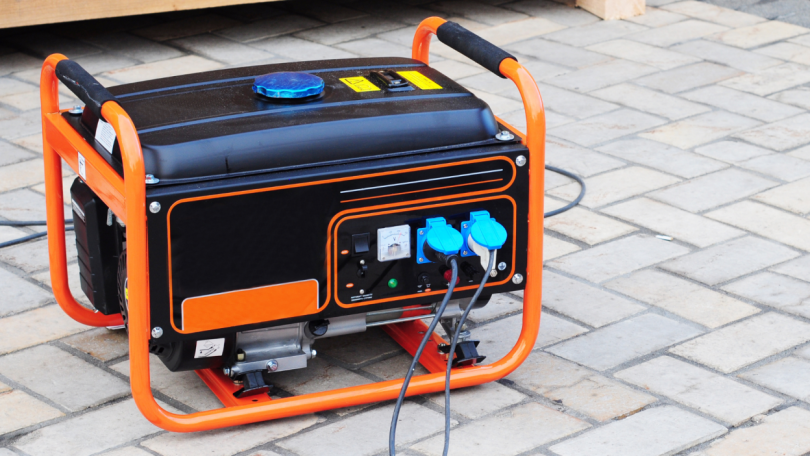
Portable generators are the most common choice for homeowners on a budget. They run on gasoline or propane and can be stored in a garage until needed. They’re ideal for powering a few essential appliances — a refrigerator, lights, a window AC unit — but require manual setup and refueling.
Pros: Affordable upfront cost, flexible use, easy to move
Cons: Require manual startup, limited runtime, produce carbon monoxide (must be used outdoors), need fuel storage
Standby Generators
Standby generators are permanently installed outside your home, much like a central air conditioner unit. They connect directly to your home’s electrical panel and run on natural gas or propane. The moment a power outage is detected, they kick on automatically, often within seconds and run until utility power is restored.
Pros: Automatic operation, no manual setup, cleaner fuel source, higher power output
Cons: Higher upfront and installation cost, requires professional setup
For homeowners serious about uninterrupted backup power, a standby generator is widely considered the gold standard.
Calculate Your Power Needs
One of the most important steps is determining how much wattage you actually need. Every electrical device in your home draws a certain number of watts. The trick is identifying which appliances are essential during an outage and adding up their wattage requirements.
Here’s a general breakdown of common household appliances and their approximate wattage:
- Refrigerator: 600–800 watts
- Central air conditioner (3-ton): 3,500–5,000 watts
- Sump pump: 750–1,500 watts
- Well pump: 1,000–2,000 watts
- Furnace fan: 500–750 watts
- Lighting (per room): 100–200 watts
- Phone/laptop chargers: 50–200 watts
Add up the wattage of all the appliances you want to run simultaneously and add a 20% buffer to that number. This gives you the minimum generator size you should consider. Most whole-home standby generators range from 10 kW to 22 kW, which is sufficient for the majority of residential properties.
Factor in Fuel Type
Generators can run on gasoline, propane, natural gas, or diesel. Each has trade-offs.
- Gasoline is widely available but has a short shelf life, and supply can be difficult to access during widespread emergencies when gas stations run out.
- Propane stores indefinitely and burns cleaner, but you’ll need a tank on your property.
- Natural gas is the most convenient for standby units — no storage needed, and supply rarely gets disrupted even during outages. It’s the preferred fuel for most professionally installed home backup systems.
- Diesel is common for commercial applications but less practical for residential use.
For a permanently installed standby generator, natural gas or propane are the most practical and popular choices.
Consider Professional Installation
A generator is only as reliable as its installation. This is not a DIY project. Improper wiring can damage your appliances, void warranties, and create serious safety hazards including electrocution and fire. Permits are often required, and local electrical codes must be followed.
This is where working with a licensed electrician becomes essential. If you’re located in Tennessee, professional generator installation in Nashville ensures your unit is properly connected to your home’s transfer switch, sized correctly for your panel, and compliant with all local codes.
A qualified installer will also help you choose the right placement for the unit — far enough from windows and doors to prevent exhaust issues, on a stable pad, and accessible for maintenance.
The transfer switch is a critical component of any standby system. It automatically disconnects your home from the utility grid when the generator kicks on, preventing back-feed that could injure utility workers restoring power. Never skip this step.
Budget for Total Cost of Ownership
When comparing generators, don’t just look at the sticker price. Factor in:
- Installation costs: Standby generator installation typically runs $3,000–$5,000 or more depending on your home’s electrical setup, gas line work, and local labor rates.
- Maintenance: Standby generators need periodic oil changes, filter replacements, and load testing — usually once a year.
- Fuel costs: Depending on runtime, fuel costs during extended outages can add up.
- Warranty: Look for units with at least a 5-year warranty from reputable manufacturers like Generac, Kohler, or Briggs & Stratton.
A whole-home standby generator is a long-term investment. Most homeowners recoup a significant portion of the cost through increased home resale value and avoided losses from food spoilage, water damage (from failed sump pumps), and other outage-related expenses.
Final Checklist Before You Buy
- Identified essential appliances and calculated total wattage
- Decided between portable and standby based on your needs
- Chosen the right fuel type for your home and area
- Researched local permit and code requirements
- Lined up a licensed electrician for installation
- Compared warranties and manufacturer reputations
- Budgeted for installation, maintenance, and fuel
Choosing the right generator doesn’t have to be complicated. Start with your power needs, match them to the right type and size, and trust the installation to a qualified professional. With the right system in place, you’ll never have to worry about a power outage disrupting your home again.