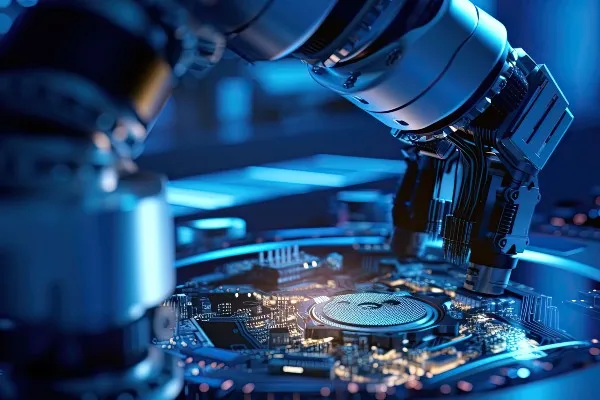

The pace of change in modern electronics has been remarkable. Devices are becoming smaller, faster, and more powerful, while expectations around reliability continue to rise. From consumer gadgets to industrial systems, the demand for high-performing electronics is pushing manufacturers to refine their processes to an exceptional degree of accuracy. Precision manufacturing now sits at the centre of this progress, supporting the development of technology that performs consistently under increasingly demanding conditions.
The Role of High-Quality Components in Tech Innovation
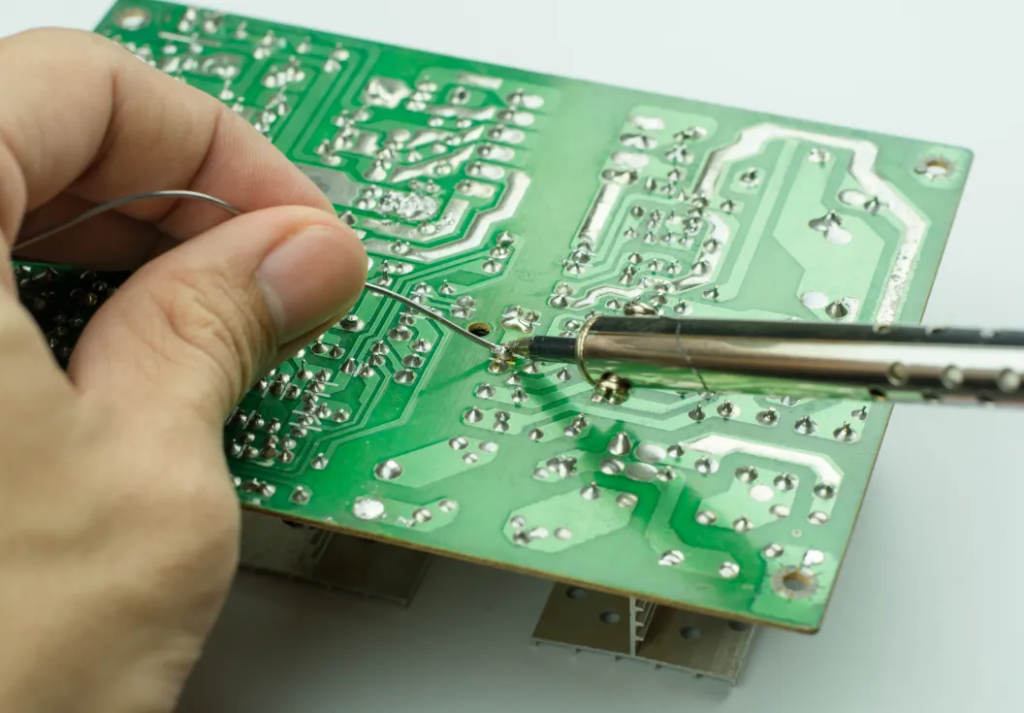
At the heart of every electronic device lies a network of components working together in tight coordination. As products shrink in size, the margin for error also shrinks. A minor inconsistency in component placement or soldering can lead to reduced performance or even complete failure.
High-quality components, combined with exact assembly techniques, allow engineers to push the boundaries of what devices can achieve. Miniaturisation has enabled the production of compact wearables, advanced medical tools, and powerful handheld devices. These innovations rely on precise manufacturing methods that can handle intricate designs without compromising on durability.
Performance is another major factor. Modern electronics must process data quickly while maintaining energy efficiency. This balance depends heavily on the accuracy of manufacturing processes. Even slight imperfections can introduce resistance, overheating, or signal interference. By maintaining strict standards during production, manufacturers can deliver products that meet the expectations of both professionals and everyday users.
Why Manufacturing Accuracy Matters More Than Ever
As electronic systems become more complex, accuracy in manufacturing has taken on greater significance. Devices are no longer isolated units; they are often part of interconnected systems where consistency is key. A single faulty component can disrupt an entire network.
Precision in production contributes directly to product lifespan. Well-manufactured electronics experience fewer faults, reducing the need for repairs or replacements. This reliability is particularly important in sectors such as healthcare, aerospace, and automotive technology, where performance must remain steady over long periods.
Efficiency is another area shaped by manufacturing accuracy. Components that are assembled correctly from the outset require less rework, lowering waste and production time. This not only benefits manufacturers but also supports faster delivery of new technologies to market.
In the UK, adherence to strict manufacturing standards has positioned the industry as a trusted source of high-quality electronic production. Services such as UK PCB assembly reflect this commitment to precision, offering solutions that meet rigorous quality expectations while supporting innovation across multiple sectors.
Emerging Trends in Electronics Production
The future of electronics manufacturing is being shaped by several key trends, many of which are closely tied to precision.
Automation is playing an increasingly prominent role. Advanced robotics and computer-controlled systems can perform repetitive tasks with a level of consistency that is difficult to achieve manually. This reduces variation and improves overall quality, particularly in high-volume production environments.
Sustainability is also becoming a stronger focus. Manufacturers are working to reduce material waste and energy consumption without compromising on performance. Precision manufacturing supports this effort by minimising errors and making better use of resources during production.
Scalability is another important consideration. As demand for electronics grows, manufacturers must be able to increase output without sacrificing quality. Precision-driven processes allow production to scale while maintaining the same high standards, making it possible to meet global demand for advanced devices.
At the same time, digital tools are improving oversight throughout the manufacturing process. Real-time monitoring and data analysis help identify potential issues early, allowing for adjustments before defects occur. This proactive approach supports consistent results and reduces the likelihood of costly errors.
Precision manufacturing has become a defining factor in the evolution of modern electronics. As devices continue to shrink in size and grow in capability, the need for exact production methods will only increase. High-quality components, accurate assembly, and advanced production techniques are enabling the development of technology that performs reliably in a wide range of applications.
With ongoing progress in automation, sustainability, and scalable production, manufacturers are well positioned to meet the demands of future innovation. The next generation of electronic devices will depend on this continued commitment to accuracy, shaping a future where performance and reliability go hand in hand.