
The manufacturing industry requires careful coordination of production activities, inventory, workforce, and machinery to maintain consistent operations. As businesses grow, managing these processes manually can become increasingly complicated. Delays, inventory shortages, production errors, and equipment downtime can affect productivity and increase operational costs.
This is where Manufacturing ERP Software becomes an important solution for modern manufacturing businesses. It connects different business operations through a centralized platform, allowing manufacturers to manage production activities, monitor resources, and make informed decisions.
By implementing Manufacturing ERP, companies can improve production planning, streamline workflows, reduce operational inefficiencies, and maintain better control over their manufacturing processes.
What Is Manufacturing ERP Software?
Manufacturing ERP Software is an enterprise resource planning solution designed to help manufacturing businesses manage their daily operations.
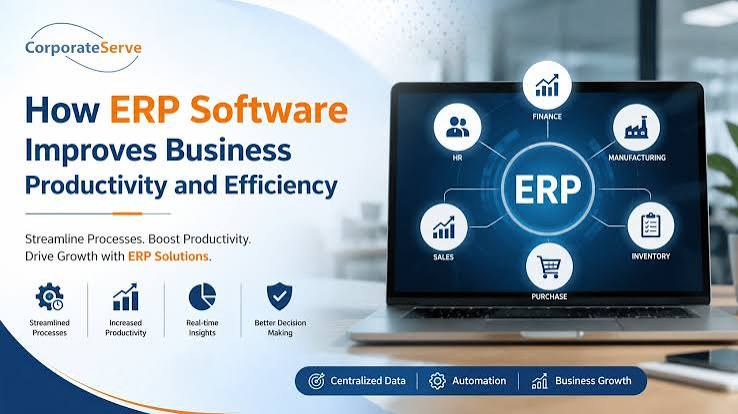
It integrates essential business functions such as production planning, inventory management, purchasing, order processing, scheduling, and financial reporting into one system.
Instead of using separate tools to manage different departments, manufacturers can access important business information through a centralized platform.
A modern ERP for Manufacturing can help businesses:
- Manage production orders and workflows.
- Monitor raw materials and inventory.
- Schedule manufacturing activities.
- Track production progress.
- Coordinate purchasing and supply chain operations.
- Monitor machinery and equipment performance.
- Generate operational reports.
These capabilities help manufacturers maintain better visibility across their operations and improve overall productivity.
1. Improve Production Planning and Scheduling
Production planning is essential for ensuring that manufacturing activities are completed efficiently. Without proper planning, businesses may experience production delays, material shortages, and unnecessary resource utilization.
Manufacturing ERP Software helps businesses organize production requirements based on customer orders, available materials, workforce capacity, and production timelines.
Production Planning Software allows manufacturers to coordinate different activities and create more structured production schedules.
Key benefits include:
- Organizing production orders according to priority.
- Allocating machines and workforce efficiently.
- Monitoring production deadlines.
- Identifying potential scheduling conflicts.
- Coordinating material requirements.
- Improving production workflow visibility.
For example, a manufacturing company producing multiple product categories can use ERP tools to organize production schedules according to demand and available resources.
Businesses can also explore Manufacturing Production Planning and Scheduling to understand how ERP systems support better production coordination.
2. Strengthen Inventory Management
Inventory management is one of the most important aspects of manufacturing operations. Companies need sufficient raw materials to maintain production while avoiding unnecessary inventory accumulation.
Poor inventory management can result in production interruptions, increased storage expenses, and delayed customer orders.
Manufacturing ERP Software helps businesses maintain organized inventory records and monitor material availability throughout production.
With centralized Inventory Management, manufacturers can:
- Track raw material quantities.
- Monitor finished goods inventory.
- Identify low-stock materials.
- Manage warehouse operations.
- Track material consumption.
- Coordinate purchasing requirements.
For instance, if a production order requires specific raw materials, the ERP system can help management review available stock before manufacturing begins.
This improves resource planning and reduces the likelihood of production interruptions caused by inventory shortages.
3. Reduce Production Delays Through Real-Time Production Tracking
Manufacturers need accurate information about ongoing production activities to identify problems before they affect delivery schedules.
Traditional tracking methods often rely on manual updates, which can make it difficult to understand current production status.
Modern ERP solutions can provide Real-Time Production Tracking through connected workflows, production records, and integrated systems.
Depending on system configuration and available integrations, managers can monitor:
- Production order progress.
- Completed and pending operations.
- Material consumption.
- Production quantities.
- Workflow bottlenecks.
- Manufacturing deadlines.
This information helps supervisors identify delays and take corrective action more quickly.
For example, if a particular production stage is falling behind schedule, managers can review available resources and adjust assignments to reduce further delays.
4. Improve Manufacturing Automation
Manufacturing Automation helps businesses reduce repetitive manual activities and improve operational consistency.
Manufacturing ERP Software supports automation by connecting important business processes and reducing the need for repeated data entry.
Depending on the platform’s capabilities, manufacturers can automate activities such as:
- Production order creation.
- Inventory updates.
- Purchase order workflows.
- Material requirement calculations.
- Production status notifications.
- Reporting and documentation.
For example, when a customer order is confirmed, an integrated ERP system may help generate production requirements and identify the materials needed to complete the order.
Automating these processes allows employees to spend less time managing administrative tasks and more time focusing on production activities.
5. Monitor Machine Performance and Reduce Equipment Downtime
Equipment downtime is a major challenge for manufacturing businesses. Unexpected machinery failures can interrupt production schedules, delay customer orders, and increase maintenance expenses.
Manufacturing ERP Software can help companies monitor equipment-related information and organize maintenance activities.
With suitable machine monitoring integrations, businesses can collect operational data and maintain records of equipment performance.
Manufacturers can use these capabilities to:
- Record machine downtime.
- Monitor equipment maintenance history.
- Track equipment-related production interruptions.
- Schedule preventive maintenance.
- Identify recurring equipment problems.
- Review maintenance-related production losses.
For example, if a machine repeatedly experiences operational interruptions, managers can examine maintenance records to identify recurring problems and plan corrective actions.
Businesses can learn more about Manufacturing Machine Downtime Tracking and how ERP solutions help connect equipment performance with production order management.
6. Improve Production Quality and Reduce Manufacturing Errors
Maintaining product quality is essential for building customer trust and minimizing manufacturing waste.
Without organized quality management processes, manufacturers may struggle to identify defects, maintain consistent production standards, and investigate quality-related problems.
Manufacturing ERP Software can support quality control by maintaining production records and connecting quality information with manufacturing activities.
Depending on the available features, businesses can:
- Record quality inspection results.
- Track rejected products.
- Monitor production defects.
- Maintain quality documentation.
- Review material and batch information.
- Identify recurring manufacturing issues.
These records help manufacturers understand where problems occur and take appropriate corrective action.
Improved quality management can also reduce rework, material waste, and unnecessary production expenses.
7. Improve Supply Chain and Purchasing Management
Manufacturing operations depend on a reliable supply of raw materials, components, and other production resources.
Delays from suppliers can interrupt production and affect customer delivery commitments.
ERP for Manufacturing helps businesses coordinate purchasing activities with inventory requirements and production schedules.
Important supply chain management capabilities include:
- Maintaining supplier records.
- Monitoring purchase orders.
- Tracking incoming materials.
- Reviewing purchasing requirements.
- Managing supplier information.
- Coordinating material availability.
For example, if inventory levels fall below the required quantity, management can review purchasing needs and coordinate with suppliers before materials become unavailable.
This improves supply chain visibility and helps manufacturers maintain more consistent production operations.
8. Make Better Decisions With Manufacturing Reports
Manufacturers need accurate information to evaluate production performance and identify areas that require improvement.
Manufacturing ERP Software provides reporting capabilities that help managers understand important operational metrics.
Common manufacturing reports include:
| Report Type | Business Benefit |
| Production Reports | Monitor manufacturing output |
| Inventory Reports | Review raw material availability |
| Machine Performance Reports | Identify equipment-related issues |
| Production Cost Reports | Understand manufacturing expenses |
| Quality Reports | Monitor defects and inspection results |
| Order Reports | Track pending and completed orders |
These reports allow management to evaluate operational performance and make decisions based on actual business information.
For example, reviewing production reports can help identify processes that consistently experience delays or require additional resources.
9. Choose the Right ERP for Manufacturing
Selecting the right ERP solution is an important decision for any manufacturing business. Different manufacturers have different operational requirements depending on their industry, production volume, workforce, and business structure.
Before implementing a system, companies should evaluate the features that support their specific manufacturing processes.
Important factors to consider include:
- Production planning and scheduling capabilities.
- Inventory and warehouse management.
- Manufacturing order tracking.
- Equipment maintenance management.
- Reporting and analytics.
- Workflow automation.
- Integration with existing business tools.
- Scalability and technical support.
Businesses should also consider implementation costs, employee training, software usability, and future expansion requirements.
Choosing a suitable ERP platform can help manufacturers establish more organized operations and support long-term business growth.
Why Manufacturing Businesses Should Invest in ERP Technology
Manufacturing businesses operate through interconnected processes. Production planning, purchasing, inventory, machinery, and quality management all influence overall performance.
Managing these activities through disconnected systems can create communication gaps and make it difficult to identify operational problems.
Manufacturing ERP Software brings essential business information together, helping departments coordinate their activities more effectively.
By improving visibility and automating repetitive processes, manufacturers can reduce operational inefficiencies, manage resources more effectively, and improve production consistency.
As manufacturing requirements become more complex, adopting suitable ERP technology can provide businesses with the operational foundation needed to remain competitive.
Conclusion
Manufacturing ERP Software plays an important role in helping manufacturers improve production efficiency and manage their operations more effectively.
From production planning and Inventory Management to Manufacturing Automation and Real-Time Production Tracking, ERP solutions provide valuable tools for coordinating different manufacturing activities.
By connecting production orders, materials, machinery, and business reporting, manufacturers can improve workflow visibility, reduce unnecessary delays, and make smarter operational decisions.
Businesses looking to modernize their manufacturing processes should consider how an appropriate ERP solution can support their production requirements, improve resource utilization, and contribute to sustainable growth.