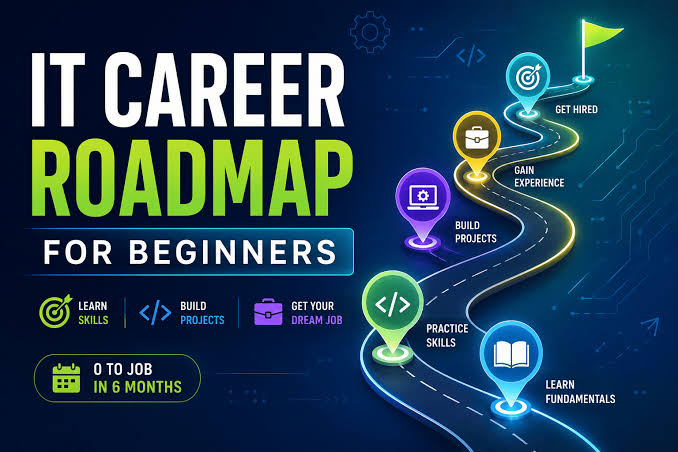

Starting a career in IT can feel overwhelming when you see job titles and confusing acronyms. The good news is that beginners enter this field every year, and with a clear plan, you can too.
Many newcomers begin with online IT certifications such as CIW Data Analyst, CompTIA A+, Google IT Support, and Microsoft Azure Fundamentals. These credentials show employers your skills even without prior technical experience.
Understand What IT Actually Includes
Before enrolling in any course, learn what the industry covers. IT includes help desk support, network administration, cybersecurity, cloud computing, software development, and data analysis, and each path rewards different strengths and interests.
The demand is real. Employers across healthcare, banking, education, and retail all need skilled technicians, analysts, and security specialists, which means your career can grow in almost any industry you find interesting.
Ask yourself which kind of work energizes you. If you enjoy solving puzzles and helping coworkers, technical support may suit you. If patterns and numbers excite you, data analysis could become your calling.
Curious about defending systems from attackers? Cybersecurity offers a strong future. Would you rather build apps and websites? Software development deserves a look. Exploring early saves you months of studying skills you may never use.
Build Your Foundation
Next, learn the core concepts. Understand how computers store data, how networks connect devices, and how operating systems manage software. Free courses on Coursera, edX, and Khan Academy explain these basics in plain language.
Spend your first few weeks experimenting. Install a different operating system on an old laptop, set up a home network, or open a desktop to see what is inside. Practical experience makes concepts stick.
Learn the basic tools too. Familiarize yourself with command line basics, cloud dashboards like AWS or Azure, and simple troubleshooting steps. Employers notice when a beginner already feels comfortable inside real work environments.
Learning to code is another smart investment, even if you never plan to become a developer. Basic Python or SQL helps support technicians automate repetitive tasks and helps analysts pull answers from large databases.
Choose the Right Certification
Once you know your direction, pick a certification that matches it. Entry level credentials work like a handshake with hiring managers, showing that you are serious and capable of finishing what you start.
Compare cost, exam format, and study time before committing. Some certifications take six weeks, while others need six months. Choose the one that fits your schedule and budget without draining your motivation.
Data focused learners might start with CIW Data Analyst, while aspiring support technicians often prefer CompTIA A+. Whichever exam you select, follow an official study guide and take several practice tests before test day.
Create Projects That Prove Your Skills
Theory only takes you so far, so build projects that show what you can do. A beginner might create a personal website, analyze a public dataset, or configure a virtual server.
Store your work on GitHub, where recruiters can review it anytime. Add short notes describing the problem you solved and the tools you used. Clear writing impresses employers as much as clever code.
Try documenting each project like a short case study. Describe your goal, your steps, your mistakes, and your results. Hiring managers love seeing how you handle setbacks, not only polished final outcomes.
Volunteering is another excellent option. Local nonprofits, schools, and small businesses often need help with websites, spreadsheets, or basic troubleshooting, and those tasks give you genuine experience and references that count on a resume.
Grow Your Professional Network
Networking plays a huge role in landing your first position. Join communities on LinkedIn, Reddit, and Discord where working professionals share advice and job leads. Ask thoughtful questions and offer help whenever you can.
Polish your LinkedIn profile too. Use a clear photo, a headline naming your target role, and a summary highlighting your certifications and projects. Recruiters search that platform daily, so make your profile easy to find.
Attend local meetups or virtual conferences when possible. One friendly conversation with an engineer or recruiter can open a door that hundreds of online applications never will. Follow up with a thank you note.
Land Your First Role
Do not overlook entry level roles that seem humble but teach valuable lessons. Help desk technician, IT support specialist, and junior data analyst positions expose you to real systems, real problems, and real teamwork.
Many senior engineers and managers started exactly this way. Treat your first job as paid training, absorb everything around you, and volunteer for tasks that stretch your abilities beyond your job description.
Your resume should highlight certifications, projects, and any transferable experience. Customer service, retail, and hospitality backgrounds build patience and communication skills that IT employers value deeply, so do not undersell what you already bring.
Ace the Interview
Prepare for interviews by practicing both technical and behavioral questions. Interviewers want to hear how you troubleshoot, so explain your thinking aloud. Honest admissions of what you do not know earn more respect than bluffing.
Research each company before your interview. Learn what it sells, which technology it uses, and how its team works. Thoughtful questions about those details show genuine interest and set you apart from other candidates.
Soft skills matter as much as technical ones. Clear communication, curiosity, and reliability often decide who gets hired when candidates hold similar credentials. Practice explaining technical ideas to a friend who knows nothing about computers.
Keep Growing for the Long Run
Stay patient with yourself throughout this journey. Most beginners spend several months studying and applying before receiving an offer. Rejection is normal, and every interview teaches you a lesson worth remembering.
Technology changes fast, so commit to lifelong learning. Follow industry blogs, listen to tech podcasts, and renew your certifications as new versions appear. Curiosity keeps your career growing long after your first job.
Consider finding a mentor who works in your chosen specialty. A mentor can review your resume, recommend resources, and warn you about common mistakes. Most professionals remember their own struggles and enjoy guiding newcomers.
Your First Step Starts Today
Starting a career in IT requires no computer science degree or years of experience. It requires curiosity, consistency, and a willingness to keep learning. Choose your path, build your skills, and start today.