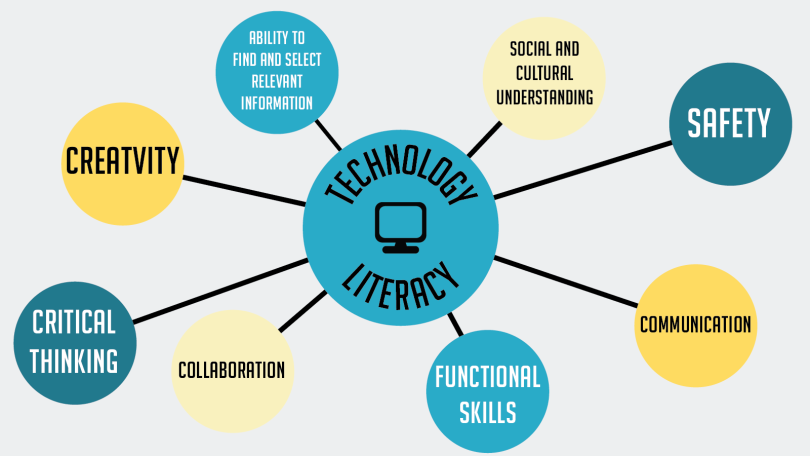

The classroom of 2026 looks nothing like the one from a decade ago. Gone are the days when being “good at school” simply meant having a neat notebook and a solid memory. Today, the goalposts have shifted. To truly excel in the Australian education system—or anywhere else in the global academic landscape—students need more than just subject knowledge. They need technical literacy.
But what does technical literacy actually mean? It isn’t just about knowing how to send an email or use a search engine. It’s about the ability to discover, evaluate, and create information using various digital platforms. It is the invisible backbone of modern high distinction grades. Without it, even the brightest students can find themselves struggling to keep up with the sheer speed of digital information.
The Evolution of the Digital Student
Australian universities and high schools have moved rapidly toward “Digital First” models. From Canvas and Blackboard to specialized simulation software, the tools are no longer optional extras; they are the core of the curriculum. A student who can navigate these systems efficiently saves hours of time that can be better spent on deep learning.
However, the digital divide isn’t just about who has a laptop and who doesn’t. It’s about who knows how to use that laptop to gain a competitive edge. Technical literacy allows a student to turn a basic research task into a comprehensive data-driven project. It’s the difference between scratching the surface and diving deep into the resources available through global academic databases.
Research and Information Discernment
We live in an era of information overload. For a Year 12 student in Sydney or a first-year uni student in Melbourne, the challenge isn’t finding information—it’s filtering out the rubbish. Technical literacy gives students the “BS detector” they need.
Knowing how to use advanced search operators, understanding the credibility of a URL, and using digital citation tools are essential skills. When the pressure mounts during finals, many students realize that their research skills aren’t quite up to scratch. In these moments, seeking out professional assignment help can be a strategic move to understand how to structure high-level technical reports and essays correctly.
Collaborative Tools and the Modern Workplace
Education is ultimately a bridge to the professional world. In the current job market, whether you are entering healthcare, law, or engineering, you will be expected to use collaborative software like Slack, Trello, or Microsoft Teams.
By mastering these in a school setting, students are essentially “future-proofing” their careers. Group assignments, once the bane of every student’s existence, are now digital testing grounds. Technical literacy allows for seamless collaboration, version control on shared documents, and effective communication across time zones.
Bridging the Gap in Specialized Subjects
Technical literacy isn’t just for IT students. It has bled into the humanities and social sciences in ways we didn’t expect. Take psychology, for example. Modern psych students aren’t just reading textbooks; they are analyzing data sets, using statistical software like SPSS, and participating in digital lab simulations.
For those who find the technical side of social sciences overwhelming, getting specialized psychology assignment help can provide the necessary clarity. Understanding how to integrate data visualization into a psych report is a prime example of technical literacy in action. It’s about taking a complex human concept and using technology to explain it more clearly.
Overcoming the “Digital Fatigue”
With all this technology comes the risk of burnout. A technically literate student knows how to manage their digital environment. They use focus apps to block distractions, leverage cloud storage to ensure they never “lose” an essay again, and understand the importance of cybersecurity.
Academic excellence today is as much about managing your digital workflow as it is about the content of your brain. If your digital files are a mess, your mental state likely is too. Organization through technology is a skill that must be practiced.
The Role of Critical Thinking in a Digital World
There is a common misconception that technology makes students “lazy.” In reality, it raises the bar. When a calculator can do the math and a spell-checker can fix the typos, the human student is left with the hardest task of all: critical thinking.
Technical literacy empowers critical thinking. It allows students to visualize complex problems through 3D modeling or interactive graphs. It provides the “canvas” upon which they can paint their original ideas. Those who fall behind in technical skills often find themselves stuck doing the “busy work” that machines could handle, leaving them no time for the high-level analysis that earns top marks.
Conclusion
Academic excellence in the modern age is a three-legged stool: it requires subject knowledge, work ethic, and technical literacy. If one leg is missing, the whole thing topples over.
As we look toward the future of education in Australia, it’s clear that the screen is just as important as the book. By embracing digital tools, learning new software, and understanding how to navigate the vast web of online information, students aren’t just passing exams—they are preparing for a life of continuous, tech-driven success.