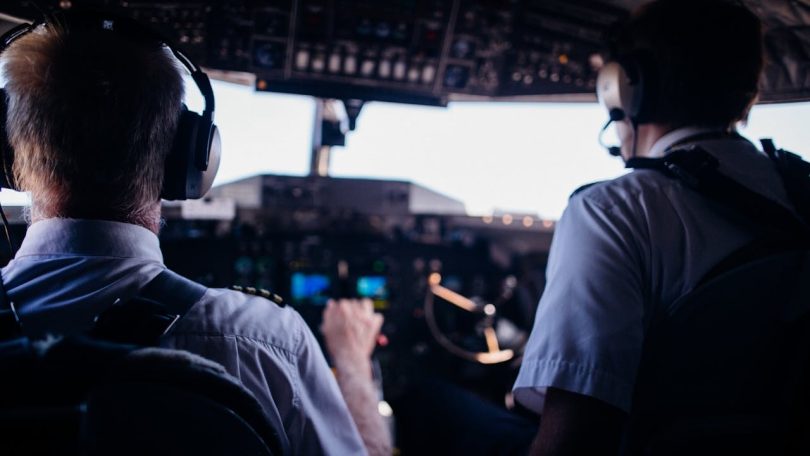

Aviation safety isn’t just about having skilled pilots and well-maintained aircraft, it’s built on a foundation of rigorous compliance standards that govern every aspect of flight operations. Whether you’re running a two-plane charter operation or managing a commercial fleet, these requirements aren’t suggestions; they’re the bedrock of safe aviation. Federal aviation authorities around the world have spent decades developing comprehensive frameworks that keep passengers, crews, and communities safe. These standards touch everything from how often you inspect landing gear to who’s qualified to sit in the left seat, creating a systematic approach that’s transformed air travel into one of the safest ways to get from point A to point B.
Airworthiness Certification and Continuing Maintenance Requirements
Here’s the deal: every aircraft needs a valid airworthiness certificate before it can legally leave the ground. Think of it as the aircraft’s birth certificate and health record rolled into one, it proves the plane meets all applicable safety standards and design specifications. Getting this certificate requires thorough inspections by qualified aviation authorities who verify everything from structural integrity to systems functionality. But here’s where it gets interesting, maintaining that airworthiness status is an ongoing commitment, not a one-time achievement.
What happens if you let airworthiness certification lapse? The consequences aren’t pretty, immediate grounding, substantial fines, and if authorities determine violations were willful or reckless, potential criminal liability. Beyond the certificate itself, operators must verify that every mechanic touching their aircraft holds the appropriate certifications and authorizations. This creates what’s essentially a chain of accountability extending through every wrench turn and every inspection completed. The system works because everyone involved knows their signature means something real.
Pilot Certification and Currency Standards
Putting someone in the captain’s seat isn’t as simple as checking if they have a pilot’s license. Aircraft operators carry direct responsibility for ensuring all pilots commanding their aircraft hold valid licenses, appropriate ratings, and current medical certificates matching the operations they’re conducting. Commercial operations raise the bar considerably, they require higher certification standards than private flying, including airline transport pilot certificates for certain aircraft categories and additional type ratings for complex or high, performance machines. And honestly? Getting the certificate is just the starting point.
Operational Specifications and Adherence to Flight Limitations
Every aircraft operator functions within clearly defined operational specifications, think of them as your permission slip detailing exactly what you’re authorized to do. These specifications outline approved routes, authorized operation types, and specific limitations based on both aircraft capabilities and operator qualifications. They’ll tell you whether you’re cleared for visual flight rules only or instrument flight rules, day operations or night, and any geographic or weather-related restrictions that apply. Creating and maintaining comprehensive operations manuals becomes essential here, giving crew members detailed procedures for normal operations, emergency situations, and regulatory compliance.
Mandatory Reporting and Record-Keeping Protocols
Aviation regulations impose extensive reporting requirements on operators, and for good reason, safety-related information needs to flow promptly to regulatory authorities who monitor trends and spot emerging hazards. Operators must report all accidents and incidents within specified timeframes, providing detailed information about circumstances, contributing factors, and any injuries or damage that occurred. Beyond accidents, certain mechanical failures, system malfunctions, and maintenance discoveries trigger mandatory reporting through systems designed to identify potential fleet, wide issues before they cause accidents.
Equipment and Avionics Compliance Standards
Aircraft must carry all required instruments, avionics systems, and emergency equipment specified for their intended operations, with regular inspections keeping everything functional and properly calibrated. Basic requirements include airspeed indicators, altimeters, magnetic compasses, and appropriate lighting systems, though more complex operations demand additional sophisticated avionics and communication equipment. When conducting flight training operations, instructors and students rely on high quality Kore Aviation Headsets to ensure clear communication during critical learning phases. Communication clarity can make the difference between a successful training flight and a dangerous misunderstanding.
Conclusion
Maintaining compliance with aircraft operational standards represents a continuous commitment extending through every aspect of aviation operations, from initial certification through daily flight activities. These five fundamental compliance areas create an interlocking framework of safety requirements working together to minimize risks and ensure consistent operational excellence. Successful operators develop comprehensive compliance management systems that track requirements, schedule necessary actions, and create organizational cultures where regulatory adherence is the foundation of professional operations rather than an administrative burden.