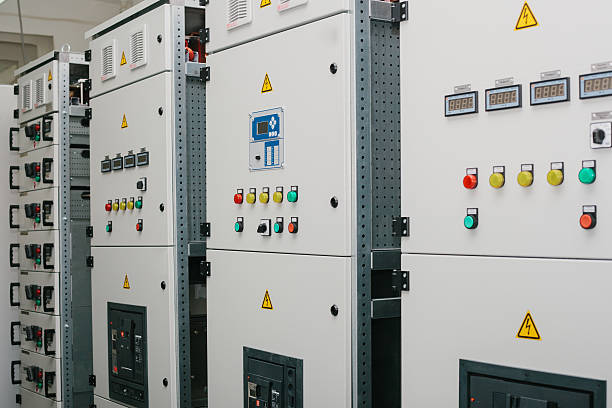

The global demand for reliable, efficient, and safe electrical power continues to rise as industries expand, cities grow, and renewable energy integration accelerates. At the heart of modern power distribution systems lies medium voltage switchgear, a critical component responsible for controlling, protecting, and isolating electrical equipment. As technology advances, the future of medium voltage switchgear is being shaped by innovations in both gas insulated switchgear and medium voltage metal enclosed switchgear.
This article explores the key trends driving the evolution of these technologies and how they are transforming power networks to meet future energy demands.
Evolving Requirements of Modern Power Networks
Modern electrical networks are becoming more complex than ever before. Distributed energy resources, smart grids, electric vehicle charging infrastructure, and digital substations are changing how power is generated, transmitted, and distributed. These developments require switchgear systems that are flexible, reliable, and capable of operating safely under increasingly dynamic conditions.
Medium voltage switchgear must now support higher efficiency, enhanced monitoring, reduced maintenance, and improved safety—while also addressing space constraints and environmental considerations. These requirements are influencing both gas insulated and metal enclosed switchgear designs.
Growth of Gas Insulated Switchgear in Compact Installations
One of the most notable trends shaping the future of medium voltage switchgear is the increasing adoption of gas insulated switchgear. This technology uses insulating gas within a sealed enclosure to provide superior dielectric strength and arc quenching performance.
As urbanization intensifies, available space for electrical infrastructure continues to shrink. Gas insulated switchgear is gaining popularity because of its compact footprint, making it ideal for urban substations, underground installations, and retrofit projects where space is limited.
Future designs are becoming even more compact while maintaining high safety and reliability standards, enabling power networks to expand without requiring large physical infrastructure.
Environmental Innovation in Gas Insulated Switchgear
Traditionally, gas insulated switchgear relied on sulfur hexafluoride (SF₆), known for its excellent insulating properties but also for its high global warming potential. One of the most important trends in the future of gas insulated switchgear is the shift toward environmentally friendly alternatives.
Manufacturers are now developing and adopting low-GWP and SF₆-free gas mixtures that significantly reduce environmental impact while maintaining performance and safety. These innovations ensure that gas insulated switchgear aligns with global sustainability goals and regulatory requirements.
As environmental regulations become stricter, eco-efficient GIS technologies will play a central role in future power systems.
Digitalization and Smart Switchgear Systems
Digital transformation is reshaping the electrical industry, and medium voltage switchgear is no exception. Both gas insulated switchgear and medium voltage metal enclosed switchgear are increasingly being equipped with digital sensors, intelligent relays, and communication interfaces.
These smart features enable real-time monitoring of system health, temperature, partial discharge, and load conditions. Predictive maintenance capabilities help identify potential issues before failures occur, improving reliability and reducing downtime.
In the future, switchgear will not only manage power but also provide valuable data to support smarter and safer grid operations.
Continued Relevance of Medium Voltage Metal Enclosed Switchgear
Despite the rise of gas insulated systems, medium voltage metal enclosed switchgear remains a critical and widely used solution. Its robust design, ease of access, and cost-effectiveness make it ideal for many industrial and commercial applications.
Future developments in metal enclosed switchgear focus on enhanced safety features, improved compartmentalization, and better arc fault containment. These advancements ensure that metal enclosed systems continue to meet modern safety and performance standards.
Additionally, manufacturers are improving modular designs, allowing easier upgrades and expansions as power demands grow.
Hybrid Approaches to Switchgear Design
An emerging trend in the future of medium voltage switchgear is the adoption of hybrid systems that combine the strengths of both gas insulated and metal enclosed technologies. These solutions aim to deliver compact designs while maintaining accessibility and cost efficiency.
For example, certain critical components may be gas insulated to reduce space requirements, while other sections remain metal enclosed for ease of maintenance. This flexible approach allows engineers to tailor switchgear systems to specific application needs.
Hybrid designs reflect the industry’s shift toward customized and application-specific power solutions.
Enhanced Safety and Arc Fault Protection
Safety remains a top priority in switchgear development. Future medium voltage switchgear designs are placing greater emphasis on arc fault detection and containment.
Advanced protection systems, pressure relief mechanisms, and reinforced enclosures are being integrated into both gas insulated and medium voltage metal enclosed switchgear. These improvements reduce risks to personnel and infrastructure, especially in confined or high-risk environments.
As safety standards evolve, switchgear technologies will continue to adapt to meet and exceed regulatory requirements.
Support for Renewable Energy and Decentralized Power
The transition toward renewable energy and decentralized power generation is another key driver shaping the future of medium voltage switchgear. Solar farms, wind plants, and microgrids require flexible and reliable switchgear solutions that can handle variable power flows.
Gas insulated switchgear offers compact and reliable performance for renewable installations, while medium voltage metal enclosed switchgear provides accessible and scalable solutions for industrial and utility applications.
Future switchgear systems will be designed to support bidirectional power flow, grid stability, and seamless integration of renewable energy sources.
Lifecycle Efficiency and Long-Term Value
Modern power networks demand equipment that delivers long-term value. The future of medium voltage switchgear focuses on lifecycle efficiency, including reduced maintenance, longer service life, and lower total cost of ownership.
Gas insulated switchgear continues to evolve with lower maintenance requirements and improved reliability, while medium voltage metal enclosed switchgear benefits from simplified servicing and upgrade flexibility. Together, these technologies ensure sustainable and cost-effective power distribution over decades of operation.
Conclusion
The future of medium voltage switchgear is being shaped by innovation, sustainability, and digital transformation. Both gas insulated switchgear and medium voltage metal enclosed switchgear will play essential roles in meeting the evolving needs of modern power networks.
As space constraints increase, environmental regulations tighten, and energy systems become more complex, advanced switchgear technologies will continue to evolve. By embracing smart features, eco-efficient designs, and flexible configurations, the next generation of medium voltage switchgear will deliver safer, more reliable, and more sustainable power distribution for years to come.