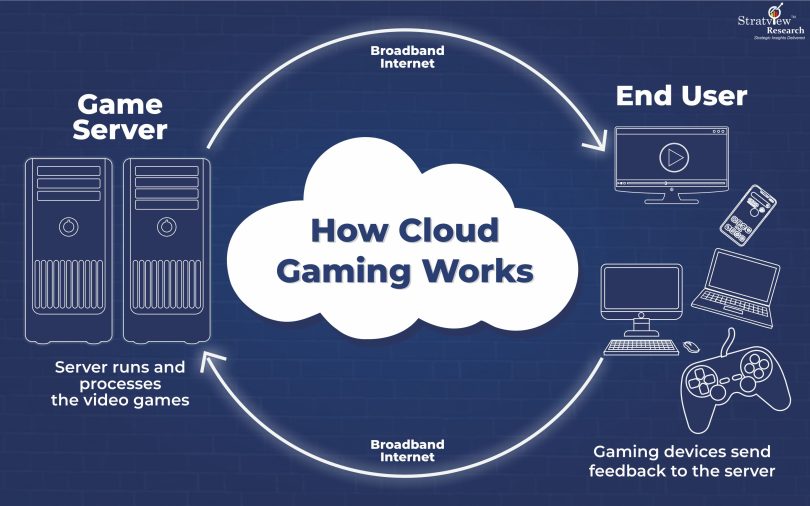

In the rapidly evolving digital gaming landscape, Cloud RNG systems have emerged as a pivotal component in ensuring randomness, fairness, and real-time scalability. Standing for Cloud-based Random Number Generation, these systems use cloud infrastructure to deliver provably fair outcomes, especially in high-demand environments like online casinos, esports, and blockchain games. This article explores the mechanics, advantages, and broader implications of using Cloud RNG in today’s online gaming ecosystem.
What Is a Cloud RNG System?
Cloud RNG refers to a random number generation system hosted and executed via cloud infrastructure. Instead of relying on localized or client-side generation, randomness is computed, validated, and logged remotely—often with cryptographic protections and timestamp verification. This method increases trustworthiness while allowing scalable integration across multiple platforms and devices.
Why Traditional RNG Isn’t Always Enough
Traditional RNG systems, usually embedded within game software or on-device scripts, face limitations in scalability and transparency. Local RNG can be susceptible to reverse engineering, manipulation, or synchronization issues in multiplayer environments. Cloud RNG systems counteract this by offering centralized control, distributed availability, and verifiable outcomes.
Advantages of Cloud RNG Systems
A Cloud RNG system offers several key benefits:
- Scalability: Easily supports thousands of simultaneous users.
- Security: Algorithms and outputs are often protected through encryption and hashed logging.
- Transparency: Some providers publish verifiable logs or use blockchain timestamping.
- Latency Control: Optimized for low-lag real-time decision-making in online games and slots.
Modern platforms like UFA747 increasingly rely on Cloud RNG solutions to power their high-traffic games and sports betting engines. By outsourcing randomization to secure cloud providers, they reduce local computational load while ensuring that every outcome—whether a spin, card draw, or dice roll—is statistically valid and independently auditable. This provides users with greater confidence in fairness and enables smoother gameplay across mobile and desktop environments.
How Cloud RNG Enhances Regulatory Compliance
Cloud RNG systems often meet regulatory standards more efficiently due to their centralized logging and version control. Licensing authorities in jurisdictions like Malta, Gibraltar, and the UK Gambling Commission require robust documentation of randomness testing. Cloud RNGs make it easier to generate reproducible logs, comply with ISO standards, and pass technical audits.
Core Components of a Cloud RNG Architecture
Cloud RNG architectures typically include:
- Entropy Sources: Algorithms like Mersenne Twister, AES, or quantum-based inputs.
- Seed Management: Secure seed generation with periodic refreshes.
- Distribution Engine: Allocates RNG outputs to games in real time.
- Audit Logging: Cryptographically sealed logs of RNG usage per transaction.
In the broader ufabet คาสิโนออนไลน์ ecosystem, cloud-based RNG technology plays a critical role in maintaining user trust across various types of digital betting content. When platforms centralize their randomization engines, they not only reduce the risk of client-side manipulation but also align more easily with evolving international data governance and fairness verification standards. This shift enhances brand credibility and attracts users who prioritize gaming integrity and system transparency.
The Role of Cryptography in RNG Verification
Cloud RNG systems frequently incorporate cryptographic methods such as SHA-256 hashing and public-key signatures. These protect the integrity of outputs and enable third-party verification. Users can sometimes view pre-generated hashes of future outcomes to confirm that no manipulation occurred post-bet.
Challenges in Cloud RNG Implementation
Despite its advantages, implementing Cloud RNG is not without obstacles. Key concerns include:
- Latency: Although optimized, cloud-based requests can still face microseconds of delay in real-time games.
- Reliability: Downtime in the cloud service can disrupt gameplay unless backup RNG sources are configured.
- Costs: High-end RNG infrastructure, especially those offering quantum or blockchain enhancements, can be expensive to maintain.
The Future of RNG: Cloud, Blockchain, and Quantum Convergence
As gaming demands more transparency and scalability, the future may lie in hybrid systems that combine Cloud RNG with decentralized or quantum elements. Blockchain timestamping, for example, can offer immutable audit trails, while quantum random number generators (QRNGs) offer theoretically unbreakable entropy. These systems, hosted on cloud servers, may redefine fair gaming standards in the decade ahead.
Final Thoughts
The adoption of Cloud RNG systems signifies a shift toward scalable, secure, and transparent gaming operations. These technologies are helping platforms meet growing demands for fairness and compliance while enabling advanced gameplay features and global reach. As infrastructure improves and standards evolve, Cloud RNG will likely remain central to the architecture of next-generation gaming platforms.